During a recent visit to Betty’s Bay the weather turned cold and rainy, with added mist which made for wonderful photography.
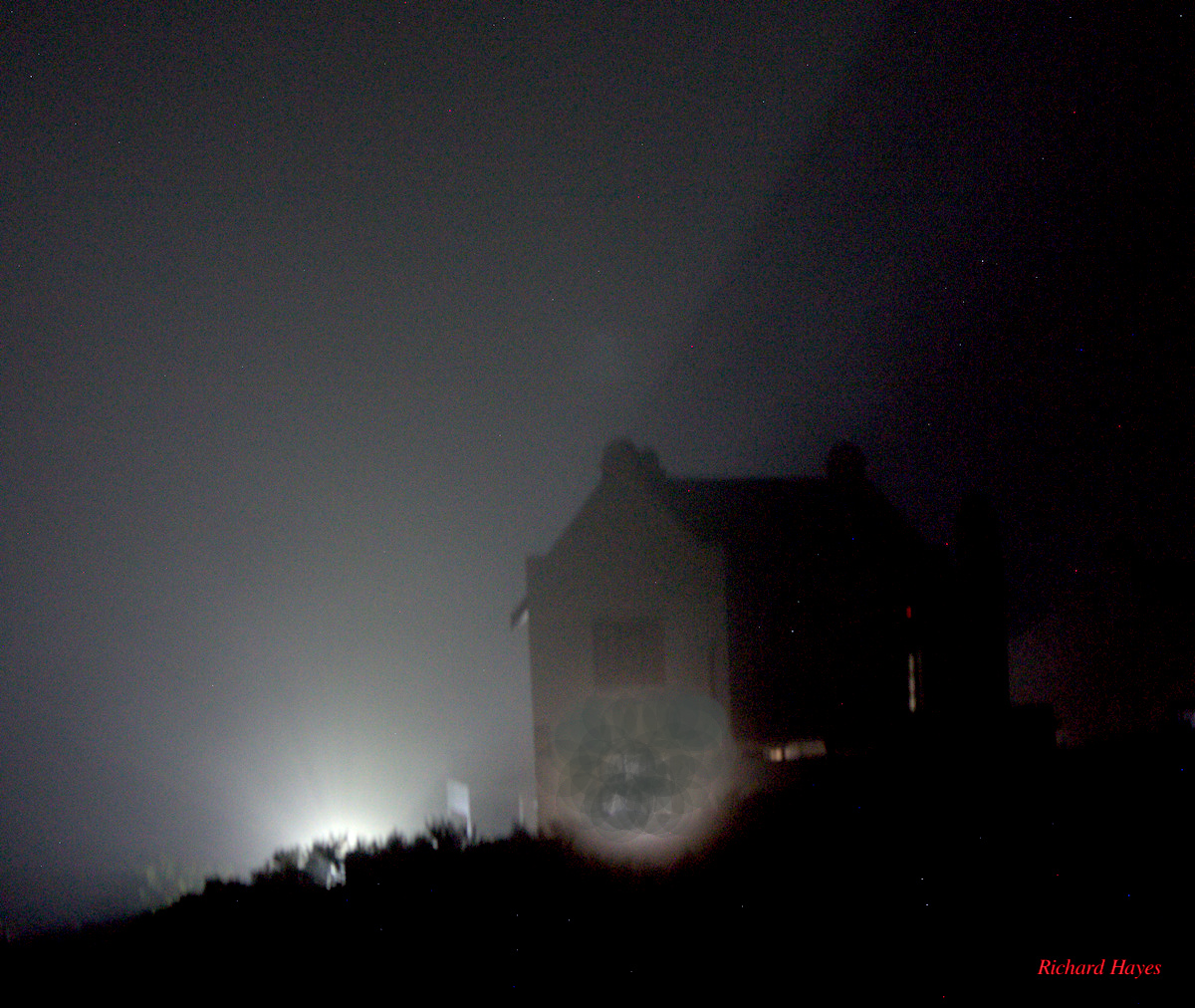

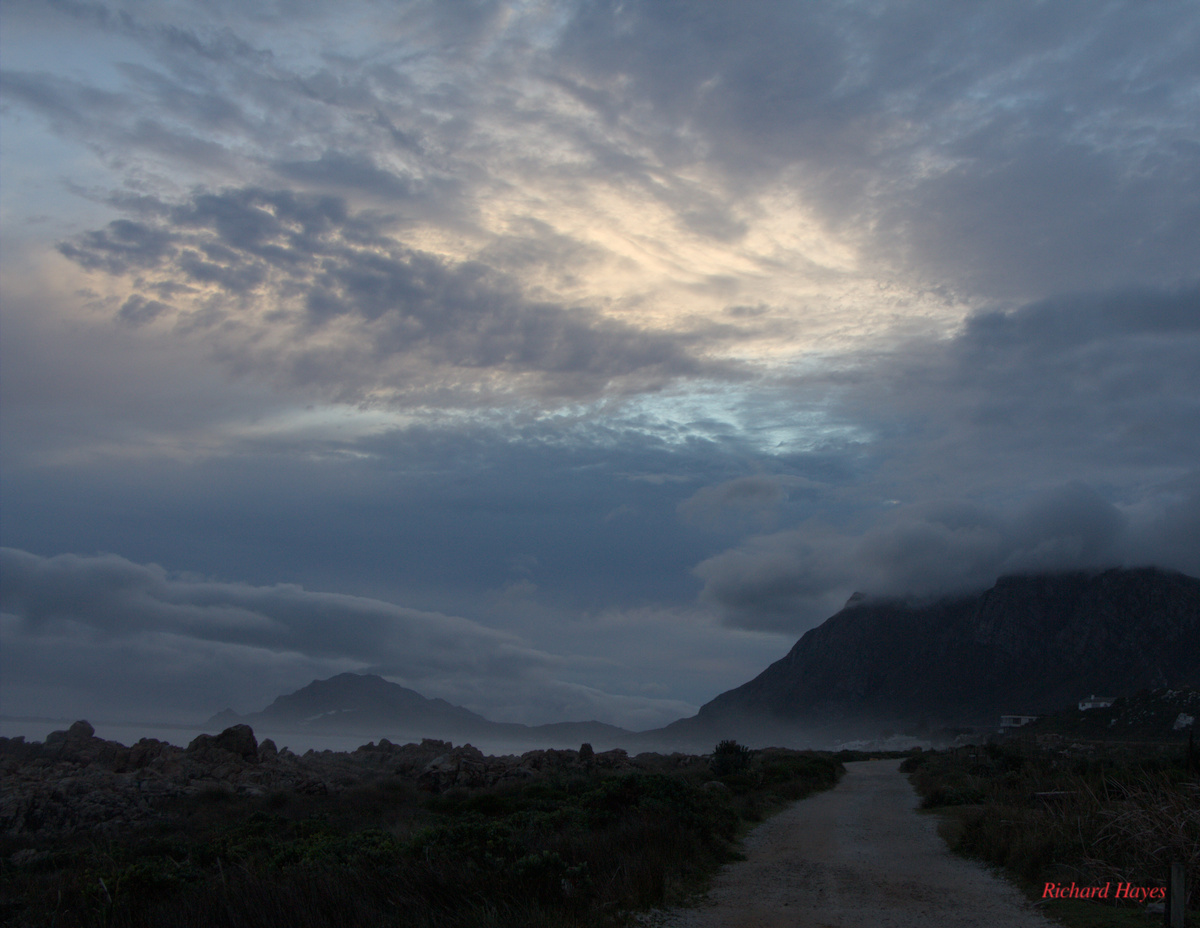
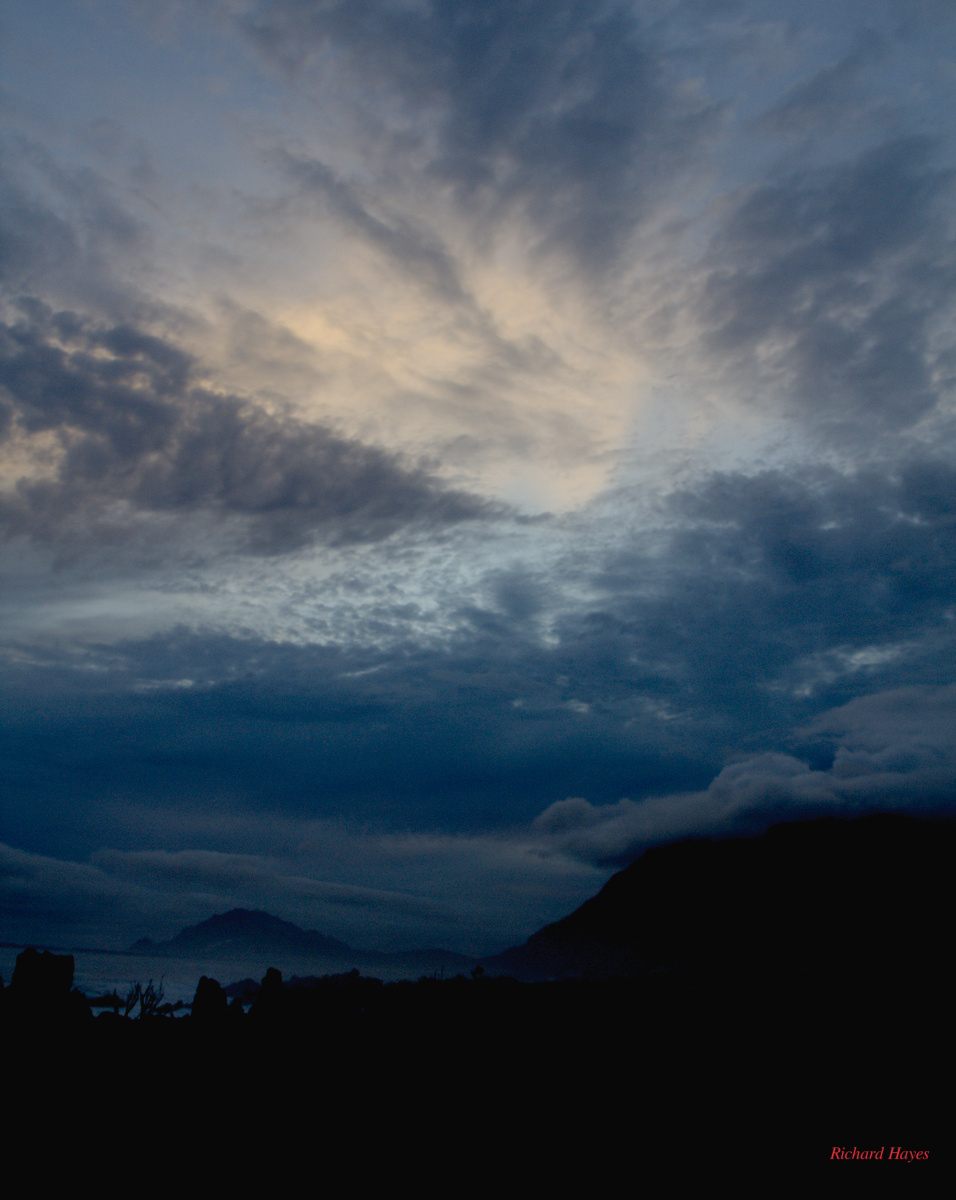
During a recent visit to Betty’s Bay the weather turned cold and rainy, with added mist which made for wonderful photography.
Just about sunset we were cruising the dirt roads around Riviersonderend and found this Juvenile Jackal Buzzard

He (or she) didn’t like our invasion of his privacy so took off in a flurry.

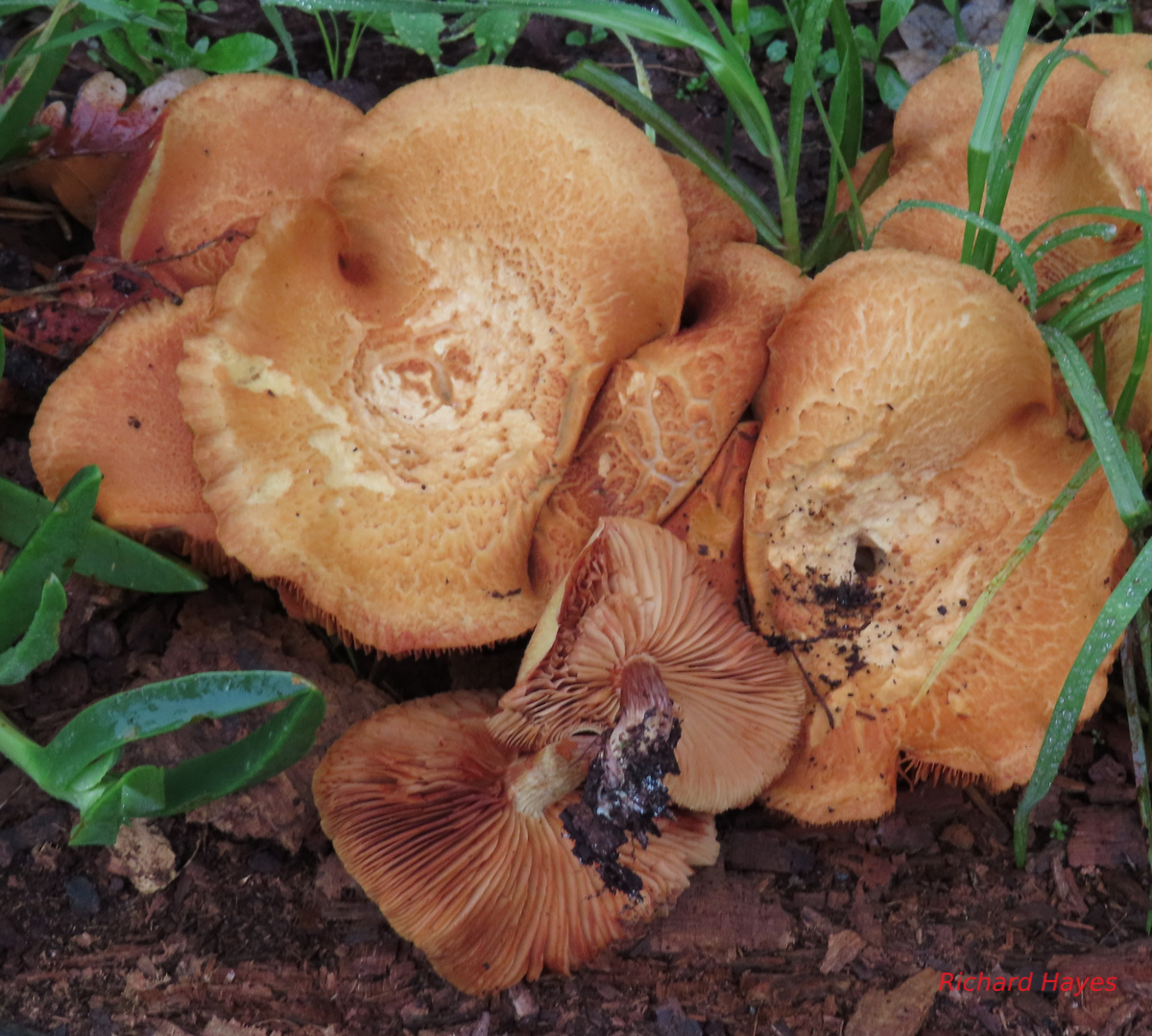
Some years ago, there was this huge tree across the road from where we lived and for reasons lost in history the council was persuaded to cut it down. Instead of removing the tree entirely they rather strategically left the huge trunk lying on the pavement and sculpted it into a bench. Slowly the trunk started to rot and eventually the bench disintegrated. The rotting wood made the trunk a perfect bed for fungi. After the recent rains the fungi moved in and provided a colourful display. For scale, the caps are larger than my hand. iNaturalist says it is probably a Gymnopilus palmicola.
The handsome bird in the top photograph is the male of the Pin-tailed Whydah species. The Pin-tailed Whydah is a brood parasite – in other words the female lays its eggs in another species of bird’s nest and leaves the host birds to raise the chicks. In this case the host bird species is the Swee Waxbill which is shown in the second photograph.


Recently I took a photograph of a Fork Tailed Drongo – a bird that eats insects but seems to specialise in bees. A beautiful black bird with a rather grating call. I cleaned up the back ground so the edges of the bird are a bit ragged,

So first off, I did a linocut on plain paper.

Then I got creative. Instead of cartridge paper, I used pastel paper with a rough texture and I kinda like the textured look.

Being a keen baker, I keep flour and other grains for baking purposes in the kitchen. Problem is that the Meal Moths have found my stash and lay their eggs in the supplies and those eggs hatch out into little worms which eat the grains. Having eaten the grains they leave a powdery residue which is a bit of a problem. I curse them, but I must also admire their beauty.

For more details have a look at its Wikipedia page
A Little Stint works the salt marshes in the West Coast National Park, South Africa.

We were privileged to see Bat Eared Foxes in the Mountain Zebra National Park. They use those big ears to detect insects which they then dig for in the dry sand.


And now the story of a failed star shoot. We were in the Mountain Zebra National Park. It is a really great park. They have just brought lions in and according to the park staff the lions are “far over there” pointing towards Graaff Rienette.
We were in a fenced camp but worryingly we have seen buck inside the fences so we are not convinced that the fences are as secure as the staff say.
Anyway, at 2 AM I go outside to take photos of the stars because the skies are really quite beautiful and bright in the dry Karoo air.
My first shot and the focus is a bit off.

Taking the advice of a wise photographer, I switch to manual focus and attempt to get sharp focus on a distant street lamp.

Then I start a third photograph setting the timer to 65 seconds.
It is at 30 seconds that a lion roars. It takes about 5 seconds for me to reallise that what I had just heard was a lion, that it might be far away but I wasn’t going to take a chance of it not being in the camp, so I raced inside the chalet and slammed the door which results in a third image which is a nice blend of the stars and the inside of the chalet.
For some odd reason, I didn’t go out again. 

In very bad conditions I photographed the recent full eclipse. There was lots of light pollution and a lot of aerosols so I was actually quite pleased with the results. I was using a high ISO setting so a lot of grain is visible.
Oh, and for those from the northern hemisphere, you will note that the mare appear to you inverted.


